100% Free Resource
Free Help for Homeowners Insurance Claims
Learn how to file, maximize, and manage your claim
Our goal is to help educate the general public, by providing the most supportive and advantageous information possible for filing insurance claims and navigating the insurance claim process.
.png)

How to File a Homeowners Insurance Claim
Follow these 13 steps to navigate the claims process with confidence.
Ensure everyone is safe
Stop further damage if possible
Take photos and videos immediately
Understand your coverage and limits
Contact your insurer quickly
Be present and take notes
Get contractor opinions
Review carefully before responding
Don't accept the first offer too quickly
Get expert representation if needed
Agree on a final amount
Complete restoration work
Keep all documentation on file
"The difference between a smooth payout and a drawn-out headache usually comes down to how organized and proactive you are."
Start documenting immediately
Take clear photos and videos of all damage before you move or repair anything (unless necessary to prevent further damage). Capture wide shots and close-ups.
Understand your policy (at least the basics)
Know your deductible, coverage limits, and whether you have replacement cost or actual cash value coverage. Those details directly affect what you will be paid.
Report the claim quickly — but thoughtfully
Contact your insurer as soon as you can, but be accurate. Stick to facts and avoid guessing about causes or costs.
Keep a detailed claim log
Write down every interaction: dates, names, what was discussed. Save emails, receipts, and estimates.
Mitigate further damage
Insurance expects you to prevent the situation from getting worse. Keep receipts — these costs are often reimbursable.
Get independent repair estimates
Don't rely solely on the insurer's adjuster. Having your own contractor estimates helps you spot low valuations and gives you negotiating power.
Most Common Types of Homeowners Claims
Each year millions of homes are damaged by storms
Who's Involved in a Claim
Policyholder (You)
The homeowner who holds the insurance policy and is responsible for filing and managing the claim.
Insurance Company
The insurer who issued your policy and is responsible for evaluating and paying valid claims.
Insurance Agent / Broker
The professional who sold you your policy and can help clarify your coverage details.
Claims Adjuster
The insurer's representative who inspects the damage and determines the payout amount.
Public Adjuster
An independent adjuster you can hire to represent your interests and maximize your settlement.
Contractors / Repair Professionals
Licensed tradespeople who assess damage and perform the actual repairs to your property.
Appraisers
Neutral third parties brought in to assess property value or resolve disputes between adjusters.
Claim Examiner / Supervisor
The insurer employee who reviews complex claims and has authority to approve larger settlements.
Mortgage Lender
If you have a mortgage, your lender may be listed on the claim check and must co-sign repairs.
Important Notice
Has Your Insurance Claim Been Closed? You May Still Be Entitled to Additional Compensation.
Many homeowners don't realize that a closed insurance claim isn't always the end of the story. If your property suffered storm, wind, hail, water, or other covered damage within the last three years, you may still have options.
It's common for additional damage to be discovered after repairs begin, for construction and material costs to increase, or for homeowners to find that their original insurance settlement was not enough to fully restore their property. In many cases, these situations may justify reopening a claim and pursuing supplemental compensation from the insurance company.
A licensed public adjuster can review your previous claim, inspect your property, and determine whether there may be grounds for additional recovery. The review is designed to identify overlooked damage, underpaid repairs, and supplemental items that may not have been included in the original settlement.
Don't assume a closed claim means every dollar owed has been paid. If your date of loss was within the past three years, a claim review could help uncover benefits you may still be entitled to receive.
Nationwide Coverage
Recent Homeowners Assisted
Homeowners across the country have used our free resources to navigate their insurance claims and reach fair settlements.
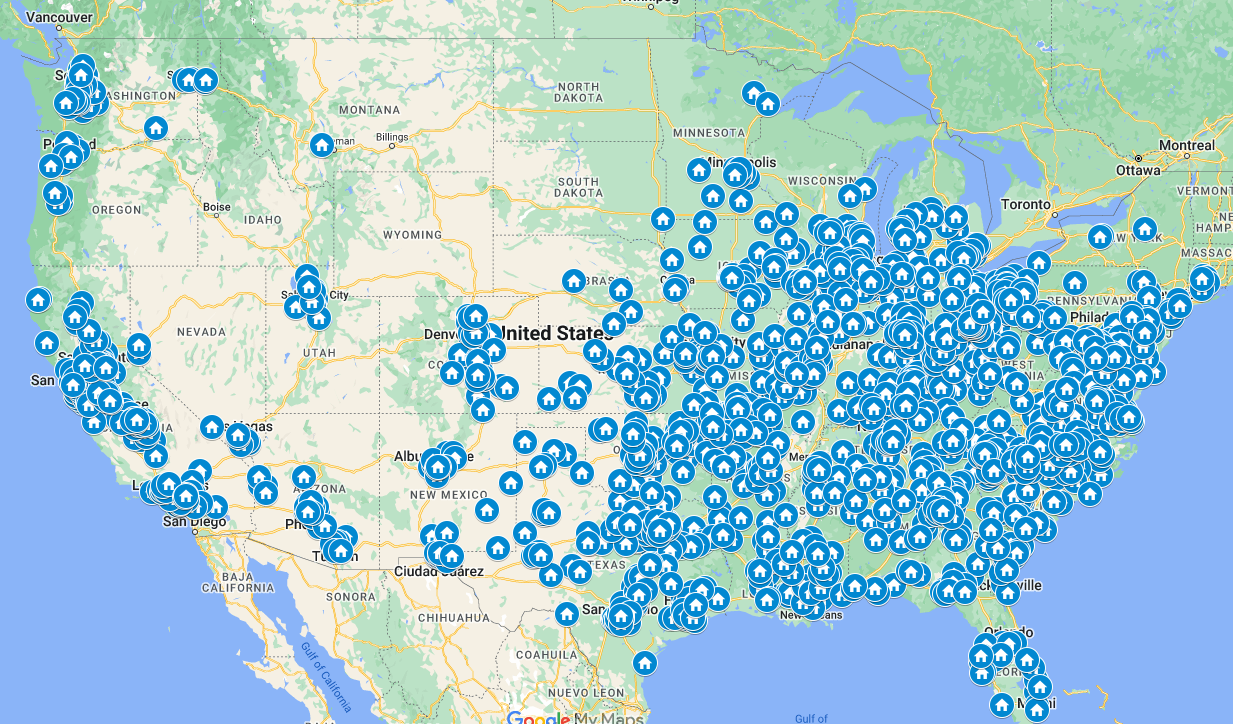
Each pin represents a homeowner who received free guidance through our platform. Density reflects storm activity and claim volume by region.
Trusted Network
Featured Partners
We work with licensed, vetted professionals across the country to make sure homeowners get the expert help they deserve.
Company Logo
Your PA Firm Name Here
Licensed public adjusters helping homeowners maximize their insurance settlements.
Company Logo
Your Roofing Company Here
Certified roofing contractors specializing in storm damage repair and insurance claims.
Are you a public adjuster or roofing contractor? Contact us to become a featured partner.
If you would like more information on the claims process, how to locate a public adjuster or a roofing contractor — select More Information below:
Free. No sign-up required.